Certificate in Environmental Forensics: Toxicology Brief
-- ViewingNowThe Certificate in Environmental Forensics: Toxicology Brief is a concise yet impactful course, designed to equip learners with essential skills in toxicology and environmental forensics. This certificate program delves into the investigation of environmental contamination, substance exposure, and its impact on human health.
7,017+
Students enrolled
GBP £ 140
GBP £ 202
Save 44% with our special offer
关于这门课程
In an era of heightened environmental awareness and stringent regulations, the demand for professionals skilled in environmental forensics has surged across various industries, including law enforcement, government agencies, environmental consulting, and public health. This course provides learners with the necessary tools to meet this industry demand.
Throughout the course, learners will gain expertise in identifying toxic substances, understanding the mechanisms of exposure, and interpreting analytical data. By the end, they will be able to assess and address environmental health hazards professionally, thus boosting their career advancement opportunities in this high-growth field.
100%在线
随时随地学习
可分享的证书
添加到您的LinkedIn个人资料
2个月完成
每周2-3小时
随时开始
无等待期
课程详情
• Introduction to Environmental Forensics
• Principles of Toxicology
• Environmental Toxicology
• Chemical Analysis in Environmental Forensics
• Toxicology of Key Contaminants
• Exposure Assessment and Dose Response
• Risk Assessment in Environmental Forensics
• Case Studies in Environmental Forensics
• Laws and Regulations in Environmental Forensics
• Ethical Considerations in Environmental Forensics
职业道路
As an Environmental Consultant, you'll collaborate with various organisations to ensure compliance with environmental regulations, mitigate risks, and maintain a healthy ecosystem. *Toxicologist*: 25% of the job market demand
Toxicologists analyse the effects of different substances on living organisms and ecosystems, providing invaluable insights for environmental forensics investigations. *Lab Technician*: 20% of the job market demand
In this role, you'll conduct experiments, analyse samples, and maintain laboratory equipment to support environmental forensics research and investigations. *Research Scientist*: 15% of the job market demand
Research Scientists design and implement studies to understand environmental problems and develop innovative solutions that contribute to the field of environmental forensics. *Data Analyst*: 5% of the job market demand
Data Analysts in environmental forensics interpret complex datasets, identify trends, and provide actionable insights to support investigations and decision-making processes.
入学要求
- 对主题的基本理解
- 英语语言能力
- 计算机和互联网访问
- 基本计算机技能
- 完成课程的奉献精神
无需事先的正式资格。课程设计注重可访问性。
课程状态
本课程为职业发展提供实用的知识和技能。它是:
- 未经认可机构认证
- 未经授权机构监管
- 对正式资格的补充
成功完成课程后,您将获得结业证书。
为什么人们选择我们作为职业发展
正在加载评论...
常见问题
Debug: False
获取课程信息
获得职业证书
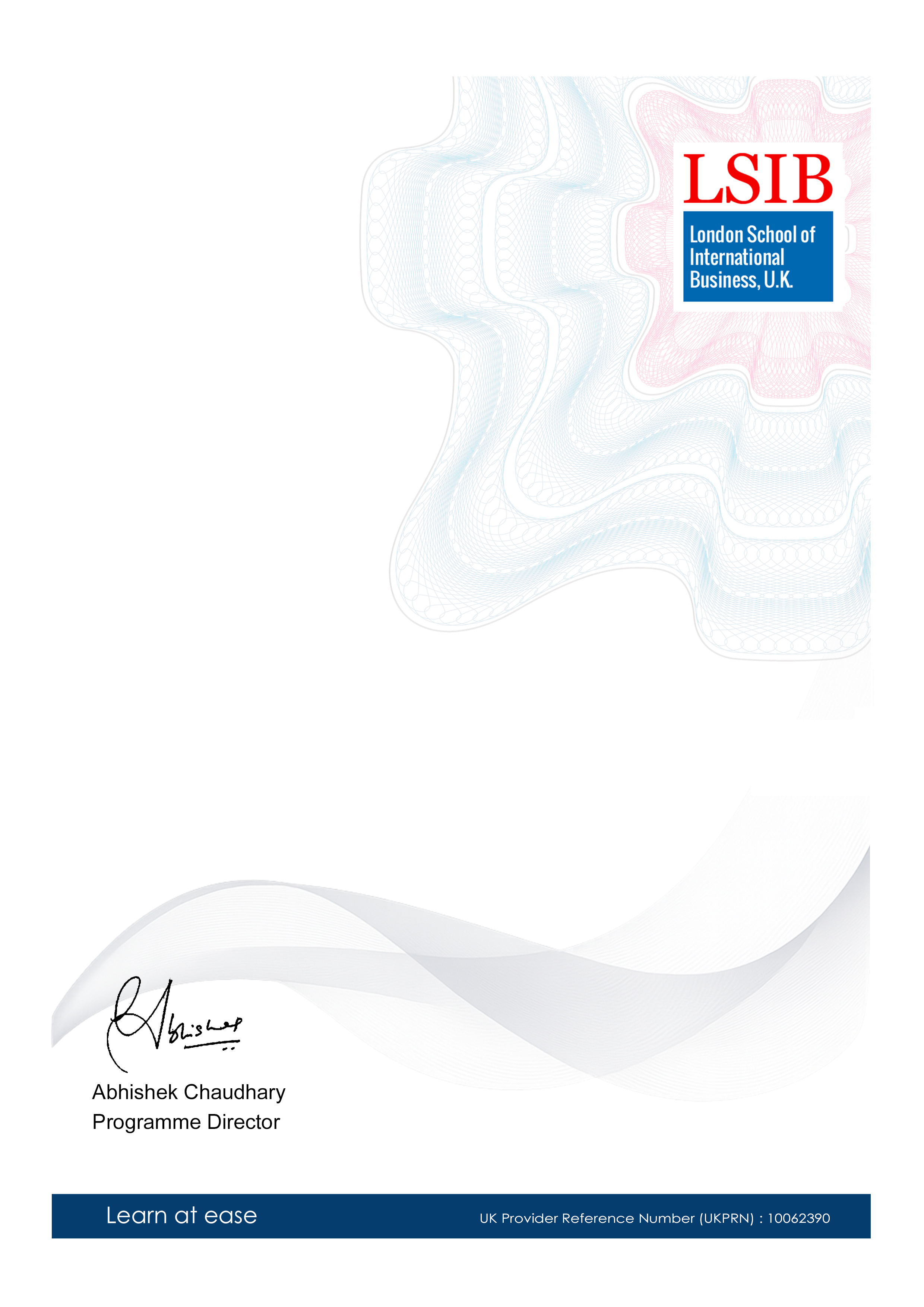
CERTIFICATE IN ENVIRONMENTAL FORENSICS: TOXICOLOGY BRIEF
授予给
学习者姓名
已完成课程的人
London School of International Business (LSIB)
授予日期
05 May 2025
区块链ID: s-1-a-2-m-3-p-4-l-5-e
将此证书添加到您的LinkedIn个人资料、简历或CV中。在社交媒体和绩效评估中分享它。